

How to Warm Up Your Voice: A Simple Routine for Beginners
Published
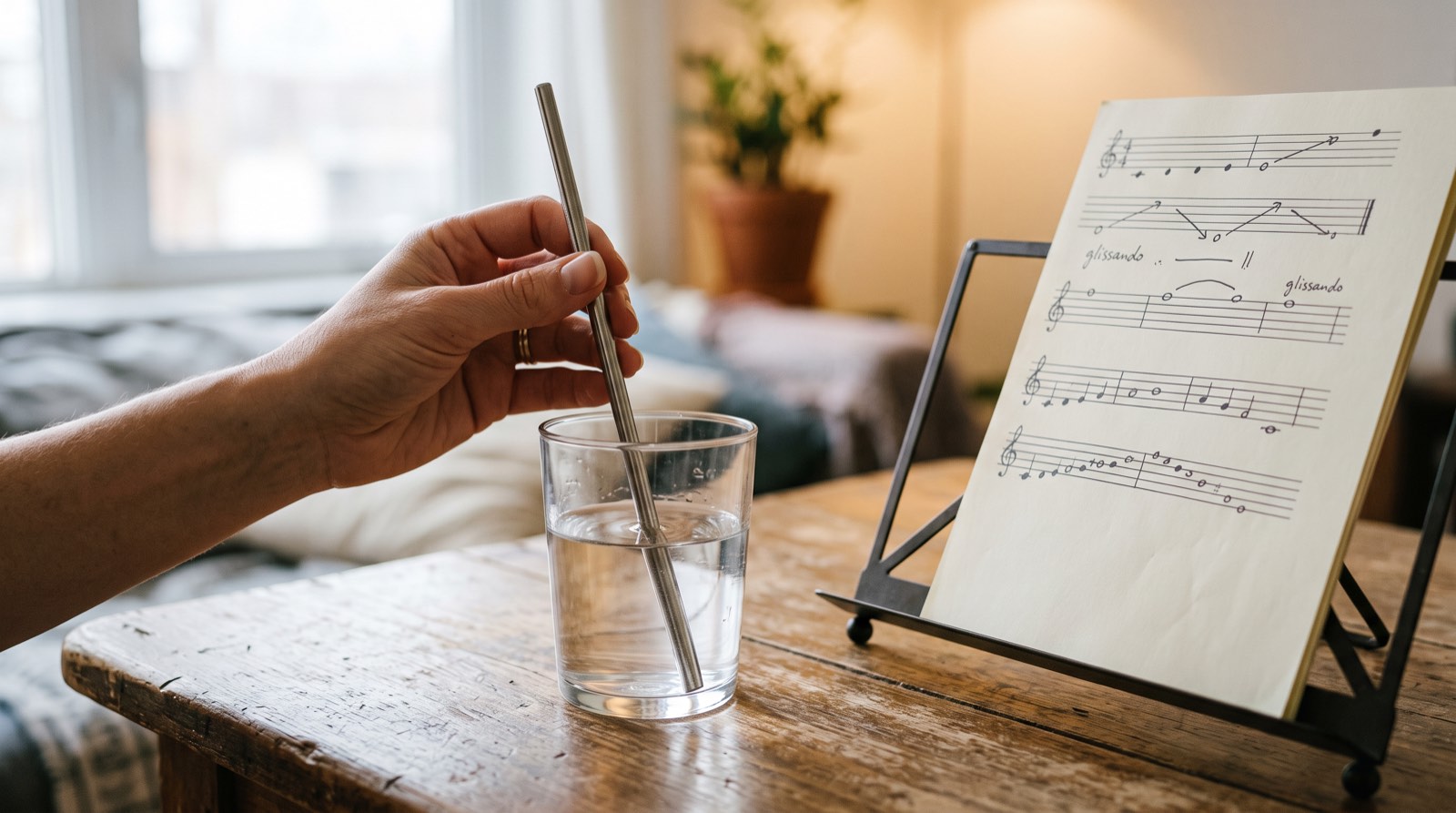
A good vocal warm-up takes about ten minutes and makes singing easier, clearer and safer. It wakes up the breath, loosens the body and eases the voice from speaking into singing gently, the way an athlete jogs before a sprint. This routine uses exercises voice teachers and voice scientists widely recommend, and it works for kids, teens and adults.
Why warm up?
Your voice is made by small muscles and tissues in your throat, and like any muscles, they work best when they have been eased into action. Jumping straight into loud or high singing is when voices are most likely to strain. A warm-up also helps your ear and voice reconnect before you need them to work together.
A 10-minute routine
- Loosen up (1 minute). Roll your shoulders, stretch your arms overhead, gently roll your neck and massage your jaw with your fingertips. Stand tall with your knees soft.
- Breathe (1 minute). Breathe in slowly through your nose and feel your lower ribs and belly expand. Breathe out on a long, steady "sss," like a slow tire leak. Do it three or four times.
- Hum (1 minute). With your lips gently closed, hum a comfortable note, then slide slowly up and down a little. You should feel a buzz around your lips and nose.
- Lip trills (2 minutes). Blow air through loosely closed lips so they flutter, like a motorboat, while making a sound. Slide up and down a comfortable range. If your lips will not flutter, press lightly on your cheeks with your fingertips.
- Straw singing (2 minutes). Sing through a drinking straw: slides, simple tunes, or a song you know. For an extra gentle version, put the other end of the straw in a glass of water and make bubbles while you sing. Straw exercises are among the best researched warm-ups for the voice.
- Sirens (1 minute). On an "oo" or "ng" sound, slide smoothly from low to high and back, like a quiet siren. Stay gentle at the top.
- Simple scales (2 minutes). Sing five notes up and down, do re mi fa sol fa mi re do, on vowels like "ah," "ee" and "oo," moving up a little each time while it stays comfortable.
Then sing an easy section of your song before you tackle the hardest part.
Tips
- Keep it easy. A warm-up should never feel like a workout. If something strains, make it softer or lower.
- Warm up before every practice and performance, even a short one.
- Cool down after long singing with a minute of gentle humming or lip trills sliding downward.
- Drink water through the day, not just right before singing. Our guide to building vocal stamina has more on keeping the voice going.
Singing lessons in Denver
A voice teacher will build a warm-up that fits your child's voice and goals, and adjust it as their voice grows. Music 4 Humans voice teachers teach kids, teens and adults at our recording studio in southwest Denver and online.
Tell us about yourself or your child and we will match you with a voice teacher, or read whether anyone can learn to sing.
Common questions
How long should a warm-up be? About 10 minutes is plenty for most singers, and five minutes is far better than none.
Do children need to warm up? Yes, a short and playful version. Sirens, humming and lip trills are fun for kids and do the job well.